Apple Vision Pro in 2026: Technical Specs, M5 Chip Performance, and Pricing Guide.
1. Introduction: The Era of Spatial Computing is Here
As we move through March 2026, the term "Virtual Reality" feels increasingly like a relic of the past. Apple’s persistent branding of "Spatial Computing" has officially taken root. The Apple Vision Pro, particularly the refreshed model featuring the M5 silicon released in late 2025, has transitioned from a high-tech curiosity into a specialized tool for creators, remote executives, and home cinema enthusiasts.
Unlike the fragmented PCVR market of the previous decade, Apple has created a vertical stack—hardware, silicon, and OS—that offers a level of polish previously unseen in wearable tech. In this guide, we break down the hardware that powers this "infinite canvas" and evaluate its standing in today’s competitive XR market.
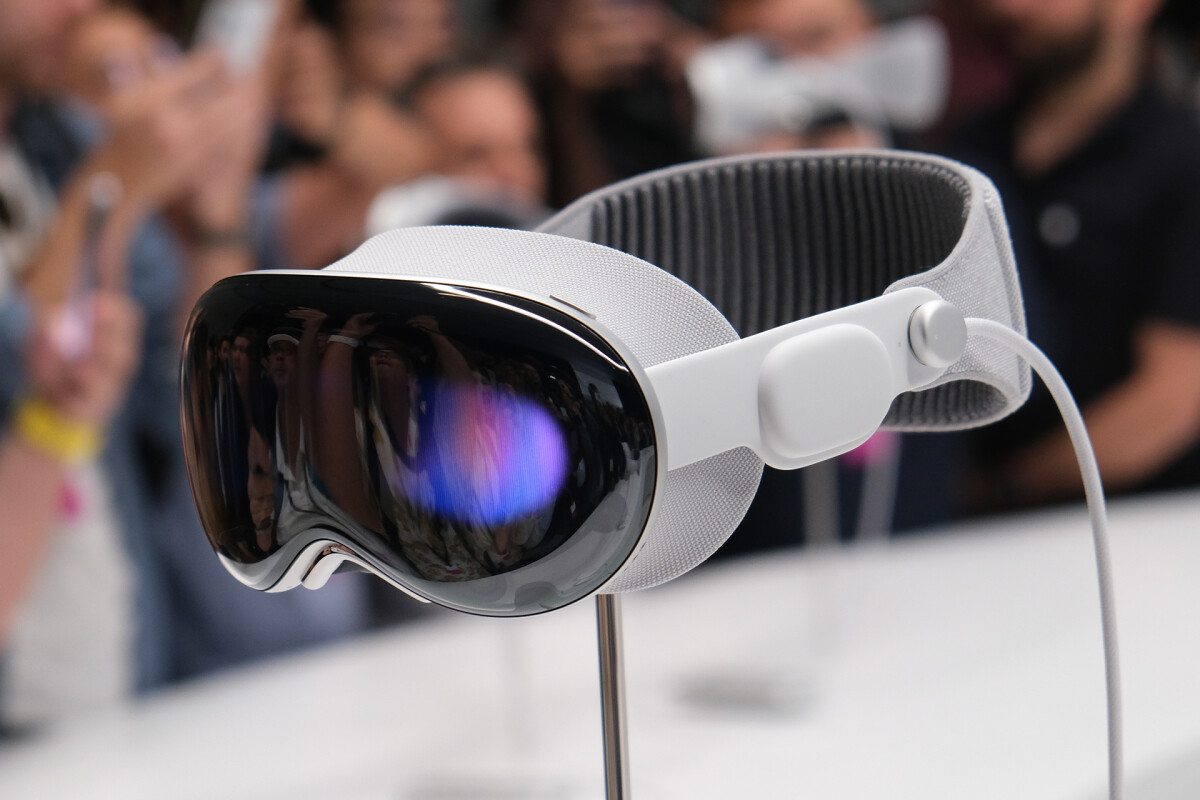
2. Technical Specifications: The M5 Revolution
The most significant update to the Vision Pro lineup occurred in October 2025, when Apple swapped the original M2 chip for the M5 chip. This wasn't just a minor speed bump; it unlocked the headset's ability to handle complex physics and hardware-accelerated ray tracing in real-time.
The Silicon Engine
-
Apple M5 Chip: Features a 10-core CPU and 10-core GPU. The M5's improved Neural Engine is essential for the "Apple Intelligence" features integrated into visionOS 26, allowing for more realistic "Personas" and smarter environment recognition.
-
Apple R1 Chip: Still the industry leader in latency, the R1 processes input from the sensors in just 12 milliseconds, virtually eliminating motion sickness for the vast majority of users.
Visuals and Optics
-
Display: Twin Micro-OLED displays with a combined 23 million pixels.
-
Refresh Rate: Now switchable up to 120Hz (up from 100Hz in the original model), making the "Mac Virtual Display" feel as responsive as a native ProMotion monitor.
-
Optics: Custom catadioptric lenses provide industry-leading edge-to-edge clarity, though they still require Zeiss inserts for those with prescriptions.
3. Pricing and Availability (March 2026)
Apple has maintained its premium pricing strategy. While rumors of a "Vision Air" or a cheaper "Apple Vision" continue to circulate for 2027, the Pro model remains the flagship.
| Model / Accessory | Storage / Type | Price (USD) | 2026 Market Context |
| Apple Vision Pro (M5) | 256GB | $3,499 | Standard professional entry |
| Apple Vision Pro (M5) | 512GB | $3,699 | Best for offline 3D media |
| Apple Vision Pro (M5) | 1TB | $3,899 | Power users / Developers |
| ZEISS Optical Inserts | Readers | $99 | Essential for clarity |
| ZEISS Optical Inserts | Prescription | $149 | Custom-made per user |
| AppleCare+ | 2-Year Plan | $499 | Highly recommended (Glass front) |
4. visionOS 26: The Software Leap
Software is where the Vision Pro has seen the most growth. visionOS 26, released in early 2026, fixed many of the "first-gen" friction points.
Key Features of visionOS 26:
-
Look to Scroll: Users can now scroll through Safari or Keynote simply by glancing at the bottom or top of the page.
-
Mac Virtual Display 2.0: Supports an "Ultra-Wide" view that is equivalent to two 4K monitors side-by-side.
-
iPhone Mirroring: You can now unlock, view, and interact with your iPhone entirely within your spatial environment.
-
Spatial Personas: "Personas" (the digital avatars) now have more realistic skin textures and lighting, making FaceTime calls feel remarkably close to physical presence.
-
Accessory Support: Native support for the Logitech Muse and PlayStation VR2 Sense controllers has finally opened the door for high-fidelity spatial gaming and precision design work.
5. Pros and Cons: An Objective Analysis
The Pros
-
Unrivaled Display Quality: Even in 2026, no other consumer headset matches the color accuracy (92% DCI-P3) and pixel density of the Vision Pro.
-
Productivity Powerhouse: The ability to pin multiple 4K windows around your physical room transforms remote work.
-
The Ecosystem Effect: If you own a Mac, iPhone, and AirPods Pro (2nd Gen or 3), the integration is seamless.
-
Intuitive Interface: The combination of eye-tracking and hand gestures remains the most "magical" and natural way to interact with a computer.
The Cons
-
The Weight Factor: At 750–800 grams, the headset remains front-heavy. Even with the Dual Knit Band, long-term wear (over 2 hours) often leads to neck fatigue.
-
Battery Life: The external, tethered battery still only provides roughly 2 hours of heavy use. You are effectively "tethered to a wall" for serious work.
-
Cost Barrier: At $3,499, it remains a luxury item or a business expense, inaccessible to the average consumer.
-
The "Solitary" Nature: Despite "EyeSight" (the external display of your eyes), the Vision Pro is still a fundamentally isolating experience.
6. Conclusion: Who is this for?
In 2026, the Apple Vision Pro is the gold standard for Spatial Productivity. If your workflow involves multi-tasking, 3D design, or you are a frequent traveler who wants a "private cinema" on every flight, the M5 Vision Pro is an investment that pays for itself in utility.
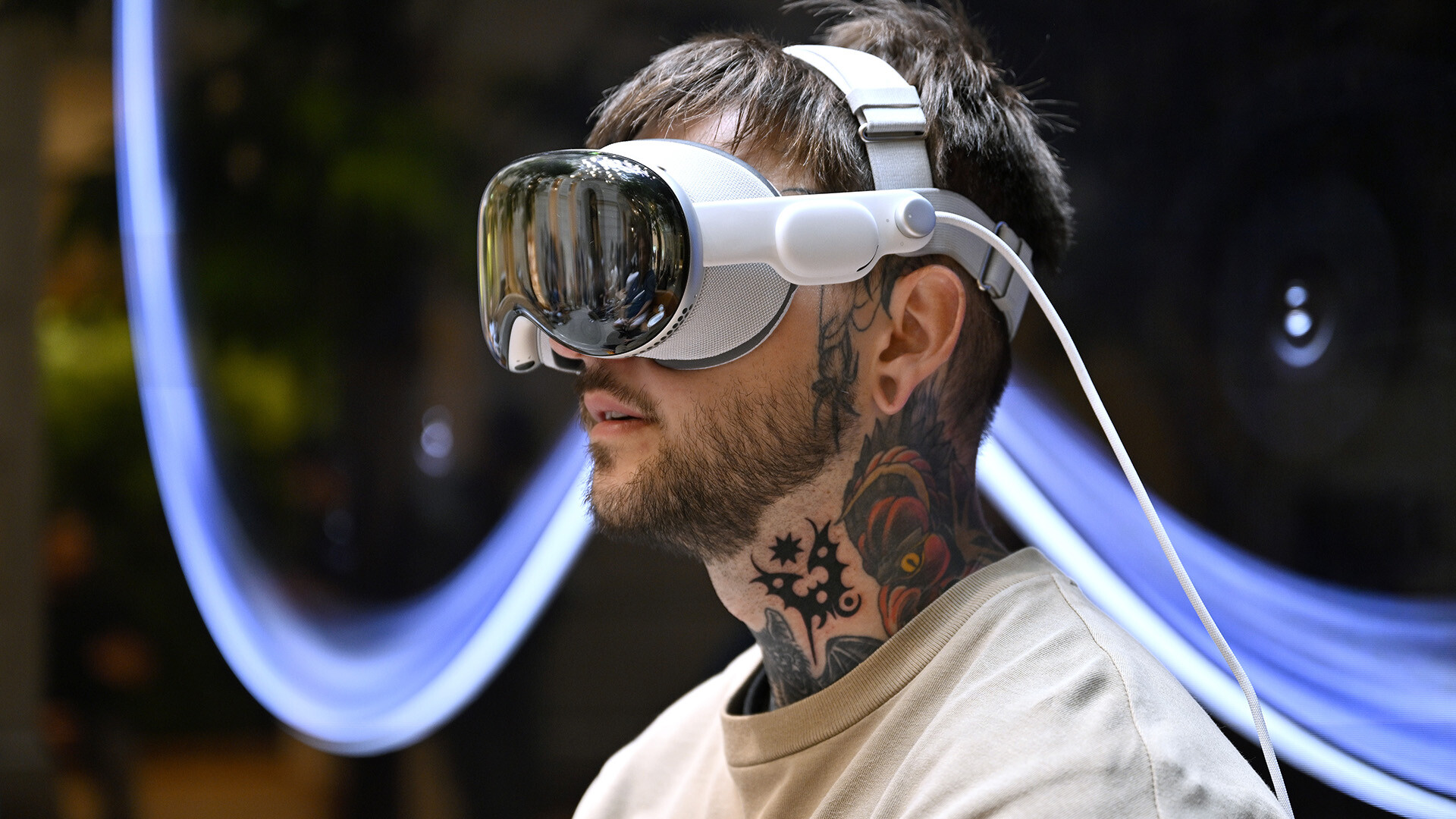
However, for casual gaming or simple social media, the price tag remains a high mountain to climb. The Vision Pro isn't just a "headset"—it's a vision of the future that Apple is forcing into the present, one pixel at a time.