The Ultimate Guide to Windows Mixed Reality: Technical Specs, 2026 Pricing, and the Legacy of PCVR
In the rapidly evolving world of Spatial Computing, few platforms have had a more "rollercoaster" journey than Windows Mixed Reality (WMR). Launched as Microsoft’s ambitious attempt to democratize Virtual Reality by baking it directly into Windows 10 and 11, it became the go-to for sim-racers and flight enthusiasts.
However, as we move through 2026, the landscape has changed. With Microsoft officially removing the WMR portal from the latest Windows builds, the platform has transitioned from a mainstream contender to a specialized legacy ecosystem. This guide explores the technical DNA of WMR, its current market value, and whether these headsets are still worth your time in the era of standalone "everything."
1. What Exactly was Windows Mixed Reality? (The Technical Identity)
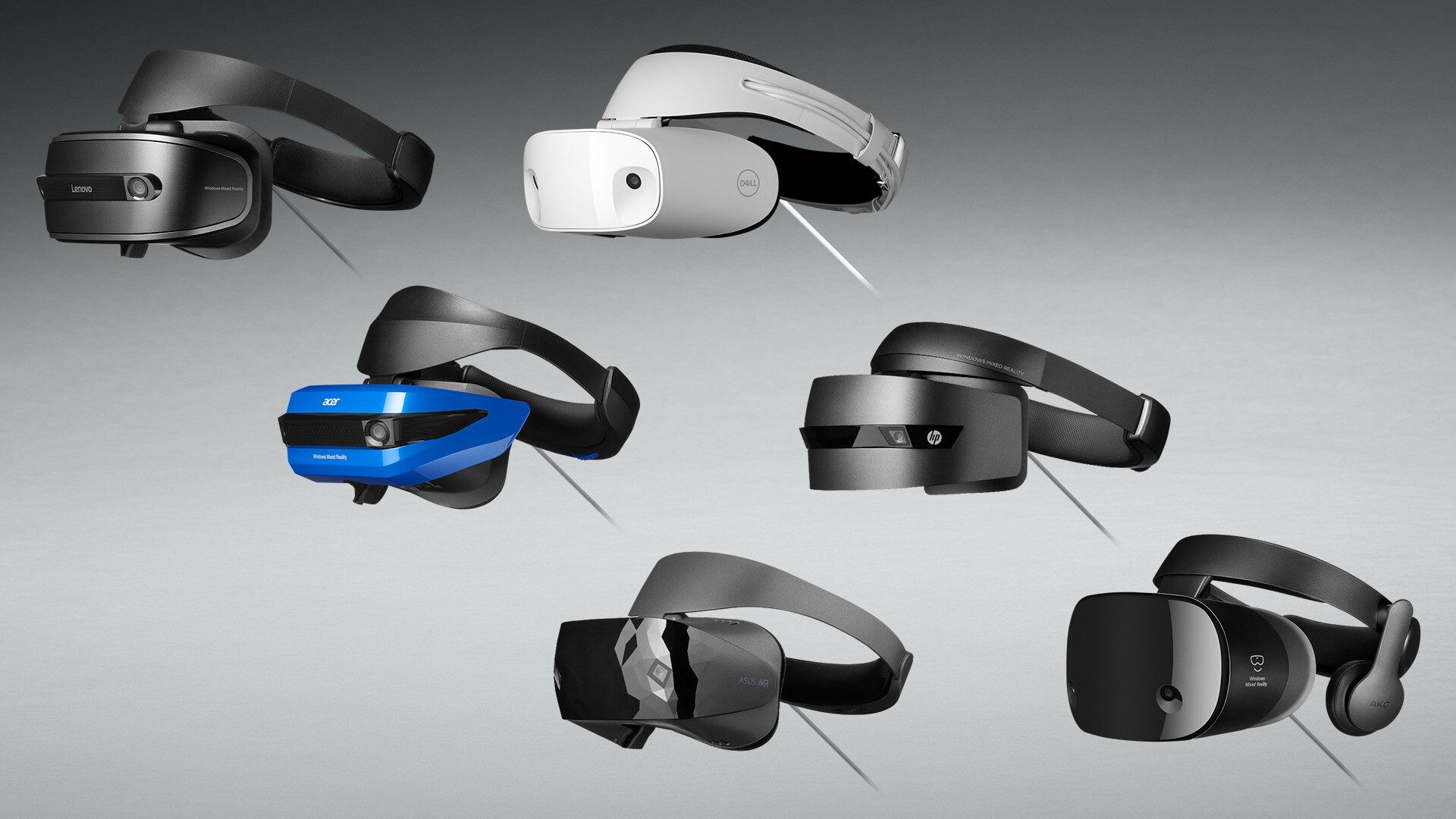
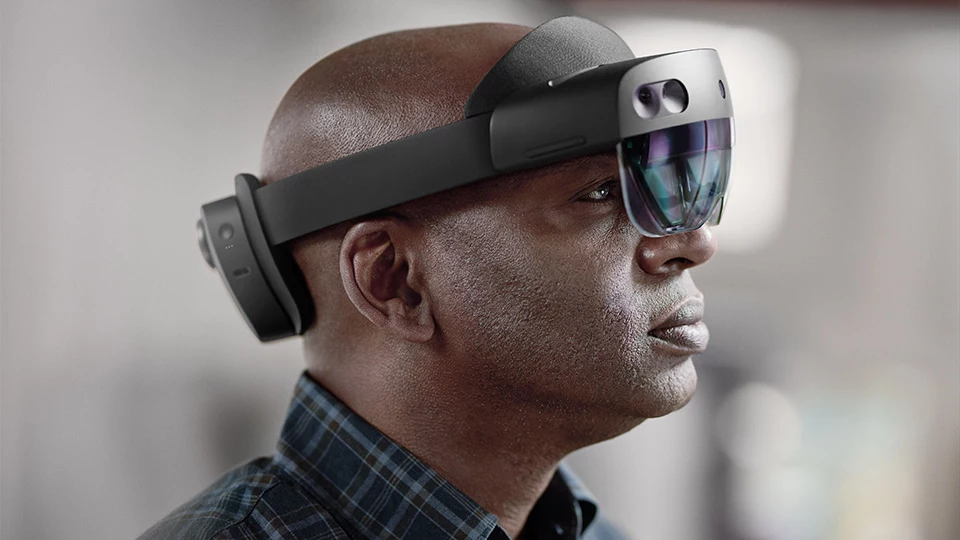
Despite the "Mixed Reality" branding, WMR was primarily a Virtual Reality (VR) platform. While it shared a tracking lineage with the HoloLens (which is true Augmented Reality), the consumer headsets from HP, Samsung, and Lenovo were fully immersive VR devices.
The Innovation: Inside-Out Tracking
WMR’s biggest contribution to the industry was the standardization of Inside-Out Tracking. Before WMR, you needed external "Lighthouses" or sensors (like the original Oculus Rift or HTC Vive). WMR headsets used two or more front-facing cameras to "see" the room and calculate your position using SLAM (Simultaneous Localization and Mapping) algorithms.
Core Technical Standards:
-
Tracking: 6 Degrees of Freedom (6DoF) for both head and controllers.
-
Refresh Rates: Standardized at 60Hz (for integrated graphics) and 90Hz (for "Ultra" PCs).
-
Connection: A tethered "Y-Cable" consisting of HDMI 2.0/DisplayPort 1.3 and USB 3.0.
2. The Hardware Lineup: From Budget to "King of Clarity"
WMR wasn't a single headset; it was a reference design licensed to partners. This created a diverse spectrum of hardware.
The "Prosumer" Choice: HP Reverb G2
Even in 2026, the HP Reverb G2 remains a legendary name in the sim-racing community. Developed in collaboration with Valve, it featured the same off-ear speakers as the Valve Index and a staggering $2160 \times 2160$ resolution per eye.
The Visual Pioneer: Samsung Odyssey+
While most WMR headsets used LCD panels, Samsung opted for Dual AMOLED screens. They introduced a "pixel-actuation" technology to eliminate the "Screen Door Effect" (SDE), making it a favorite for media consumption.
The Entry-Level: Acer, Lenovo, and Dell
These headsets were the "workhorses." They featured flip-up visors (extremely convenient for developers) and lightweight builds, though they suffered from smaller "sweet spots" on the lenses.
3. 2026 Pricing Table: Historical vs. Current Legacy Value
In 2026, you can no longer buy these new. The market is entirely driven by the "Used/Refurbished" enthusiast sector and collectors.
| Headset Model | Launch Price (USD) | 2026 Used Value (USD) | Primary Use-Case in 2026 |
| HP Reverb G2 (V2) | $599 | $250 - $350 | Sim-Racing / Flight Sims |
| Samsung Odyssey+ | $499 | $150 - $220 | OLED Enthusiasts / Retro VR |
| Lenovo Explorer | $349 | $70 - $110 | Ultra-lightweight / Budget Entry |
| Acer WMR (Blue) | $299 | $50 - $90 | Display Pieces / Parts |
| Samsung Odyssey (OG) | $499 | $100 - $140 | Collection / Basic PCVR |
4. Technical Deep-Dive: Why it Performed Differently
WMR operated on a "Double Layer" software stack. To play a game on Steam, your PC had to run:
-
The Game (e.g., Half-Life: Alyx)
-
SteamVR
-
Windows Mixed Reality for SteamVR (The Bridge)
-
The Mixed Reality Portal
This overhead is why WMR often required slightly beefier CPUs than native SteamVR headsets. However, because it was integrated into the Windows Kernel, it had very low-level access to hardware, which minimized latency compared to early "Link" solutions for standalone headsets.
Optics and Resolution
Most WMR headsets utilized Fresnel lenses. These lenses use concentric rings to focus light, which—while efficient—caused "god rays" (light streaking) in high-contrast scenes.
Note: If you are using a WMR headset in 2026, ensure you are using the "OpenXR" runtime. It bypasses much of the old software bloat, significantly boosting FPS in titles like Microsoft Flight Simulator.
5. The Pros and Cons (The 2026 Verdict)
The Advantages (Pros)
-
Clarity for the Cost: You still cannot find a headset for $250 that matches the raw pixel density of a used HP Reverb G2.
-
No Batteries Required (Headset): Since it’s tethered, you never have to charge the headset. Great for 4-hour endurance races.
-
Native Windows Integration: Features like "Flashlight" (seeing your real room through the cameras) were revolutionary for their time.
-
Comfort: Most WMR headsets used a "Halo Strap" design, which distributes weight across the forehead rather than the face.
The Disadvantages (Cons)
-
Software Deprecation: As of 2026, Microsoft has moved WMR to "Legacy" status. It is no longer pre-installed on Windows 11 24H2 or later.
-
Tracking Volume: WMR only has two cameras (except the G2 V2). If you put your hands behind your back or too high, the controllers "float" away.
-
The Cable: The proprietary cables are prone to breaking and are becoming extremely expensive to replace on the second-hand market.
-
Controller Ergonomics: Compared to the sleek Quest 3 or Valve Index controllers, the WMR "wands" feel bulky and consume AA batteries quickly.
6. How to Use WMR in 2026 (The "Enthusiast" Workaround)
Since Google's 2026 updates favor Actionable Content, here is how you actually keep these devices alive today:
-
Windows Version Control: Many users stay on Windows 10 or Windows 11 (Version 23H2) to keep the Mixed Reality Portal functional.
-
The "SteamVR Bridge": You must download the Windows Mixed Reality for SteamVR app from the Steam Store.
-
Battery Mod: Switch from standard 1.2V NiMH rechargeable batteries to 1.5V Constant-Voltage Li-ion rechargeables. WMR controllers are notoriously sensitive to voltage; 1.2V batteries often trigger a "Low Battery" tracking glitch.
7. Conclusion: Is Windows Mixed Reality Dead?
In 2026, Windows Mixed Reality is not "dead," but it has become an Enthusiast Tier Legacy Platform. It is the "Vinyl Record" of VR—it requires more setup, specific software versions, and a bit of patience, but the visual fidelity (especially on the HP Reverb G2) still rivals headsets that cost three times as much.
If you are a sim-racer looking for the best "pixels-per-dollar" and don't mind tinkering with drivers, WMR remains a viable, albeit niche, entry into high-end PCVR. For everyone else, the world has moved toward standalone spatial computing.